


Kentucky AG Defends State's Child Sex Doll Ban in Court — As Congress Eyes Federal CREEPER Act 2.0
Kentucky AG Defends State's Child Sex Doll Ban in Court — As Congress Eyes Federal CREEPER Act 2.0
Attorney General Russell Coleman filed legal action this week backing Kentucky's prohibition on child sex dolls, while a federal bill that would criminalize such products nationwide awaits action on Capitol Hill.
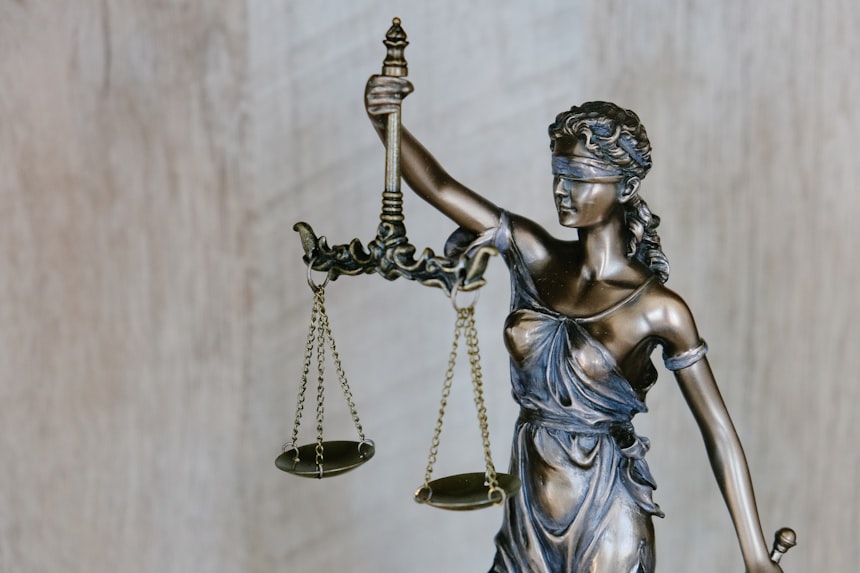
Lawmakers at both the state and federal level are pushing to criminalize child-like sex dolls. Photo: Unsplash
The Kentucky Case
On April 8, 2026, Kentucky Attorney General Russell Coleman announced that his office had filed a legal brief in Union County Circuit Court in support of the state's law banning child sex dolls and certain computer-generated sexual imagery of identifiable children. The action is part of an ongoing criminal case against Kenneth Moore, 50, of Sturgis, who was arrested in July 2025 after investigators executed a search warrant at his home and recovered child sexual abuse material during a forensic examination of his mobile phone.
Case Summary
| Defendant | Kenneth Moore, 50, of Sturgis, Kentucky |
| Arrest date | July 2025 |
| Charges | 10 counts possession/viewing of child sexual abuse material; 5 counts promoting sexual performance by a minor; 1 count trafficking a child sex doll |
| Defense argument | Charges related to the sex doll and AI-generated imagery violate constitutional rights |
| AG action | Filed brief defending constitutionality of Kentucky's HB 207, April 8, 2026 |
Kentucky's House Bill 207
The law at the center of the case is Kentucky House Bill 207, passed in 2024. The legislation prohibits possession and trafficking of child sex dolls — defined as anatomically realistic dolls that depict the body of a minor — and extends similar prohibitions to certain categories of computer-generated imagery depicting identifiable children in sexual contexts. Moore's defense team is contesting the constitutionality of those provisions, arguing they sweep too broadly and infringe on protected rights.
The Constitutional Challenge
The constitutional question Moore's attorneys are raising is not new. Critics of child sex doll legislation have long argued that bans on inanimate objects used in private are difficult to justify under First and Fourth Amendment principles without running afoul of Supreme Court precedents on personal liberty and protected expression. The landmark Lawrence v. Texas decision, which struck down anti-sodomy laws in 2003, established that the government cannot criminalize private consensual adult behavior simply because it is morally objectionable to others. Defense attorneys in similar cases have cited that precedent.
However, prosecutors and the Kentucky AG's office counter that child sex dolls are categorically distinct from protected expression: they argue such products have no legitimate purpose beyond normalizing sexual access to minors, and that the documented correlation between possession of these dolls and other child exploitation material justifies treating them more like contraband than like speech.
"As we recognize National Child Abuse Prevention Month, we need to enact a national ban on these obscene products that are known to encourage pedophilia and the exploitation of children." — Rep. Vern Buchanan, sponsor of CREEPER Act 2.0
The CREEPER Act 2.0 in Congress
While states like Kentucky, Florida, Tennessee, Utah, and Hawaii have enacted their own prohibitions, there is still no federal law comprehensively banning child sex dolls in the United States. The CREEPER Act 2.0 — full title: Curbing Realistic Exploitative Electronic Pedophilic Robots Act 2.0 — was introduced in the current congressional session by Florida Representatives Vern Buchanan and Jared Moskowitz and referred to the House Judiciary Committee. If enacted, it would amend federal criminal code to prohibit the importation and transportation of child sex dolls, with penalties of up to five years imprisonment for a first offense and up to ten years for subsequent offenses.
Key Provisions of CREEPER Act 2.0
The bill defines "child sex doll" as any anatomically correct doll, mannequin, or robot with features that resemble those of a minor and that is intended for use in sexual acts. Critically, it applies to importation and interstate transportation rather than simple possession — a scope that legislators believe makes the law more defensible against First Amendment challenges while still targeting the supply chain effectively.
A Patchwork of State Laws
The absence of federal legislation has created a fragmented legal landscape that both law enforcement and the adult products industry find difficult to navigate. In states with bans, sellers and buyers of adult-presenting dolls have reported confusion and concern that their legal purchases could be swept up in enforcement actions aimed at child-depicting products. Industry trade associations have called for precise, narrowly drafted legislation with clear definitions that protect legal adult merchandise while cracking down specifically on products depicting minors.
The Expert Debate: Do Bans Actually Protect Children?
One of the more uncomfortable aspects of the policy debate is that the empirical evidence on whether banning child sex dolls actually reduces harm to children is genuinely contested. Research cited by the UK's National Crime Agency found that in three-quarters of cases where a seized child sex doll prompted a broader investigation, investigators also discovered child sexual abuse imagery — suggesting a strong correlation between the two. Supporters of bans point to this data as justification.
Critics, however, note that correlation is not causation: people already predisposed to possessing CSAM may also seek out dolls, without the dolls themselves causing or escalating harmful behavior. Some researchers have tentatively suggested that access to substitute outlets could reduce the likelihood of offending against real children — a hypothesis that, if true, would suggest bans could inadvertently increase harm. The scientific literature remains inconclusive, and experts on both sides agree that more rigorous research is urgently needed.
Sources
- KFVS12 / WAVE — "Kentucky attorney general backs law banning child sex dolls, certain computer-generated images in Union County case," April 8, 2026. (kfvs12.com)
- Congress.gov — "H.R.1186 — CREEPER Act 2.0, 119th Congress." (congress.gov)
- City Journal — "Regulating the Sex Robot Revolution," April 10, 2026. (city-journal.org)
- Congressman Vern Buchanan — Press release on CREEPER Act 2.0. (buchanan.house.gov)


